Bariatric surgery
Overweight and obesity are defined as an abnormal or excessive accumulation of body fat. The life expectancy of an obese person is 10 years shorter than that of a non-obese person: obesity kills through the complications it causes.
Overweight and obesity in adults are commonly assessed using the body mass index (BMI), obtained by dividing weight by the square of height, expressed in kg/m².
- BMI ≥ 25Overweight
- BMI ≥ 30Obesity
- BMI ≥ 35Morbid obesity
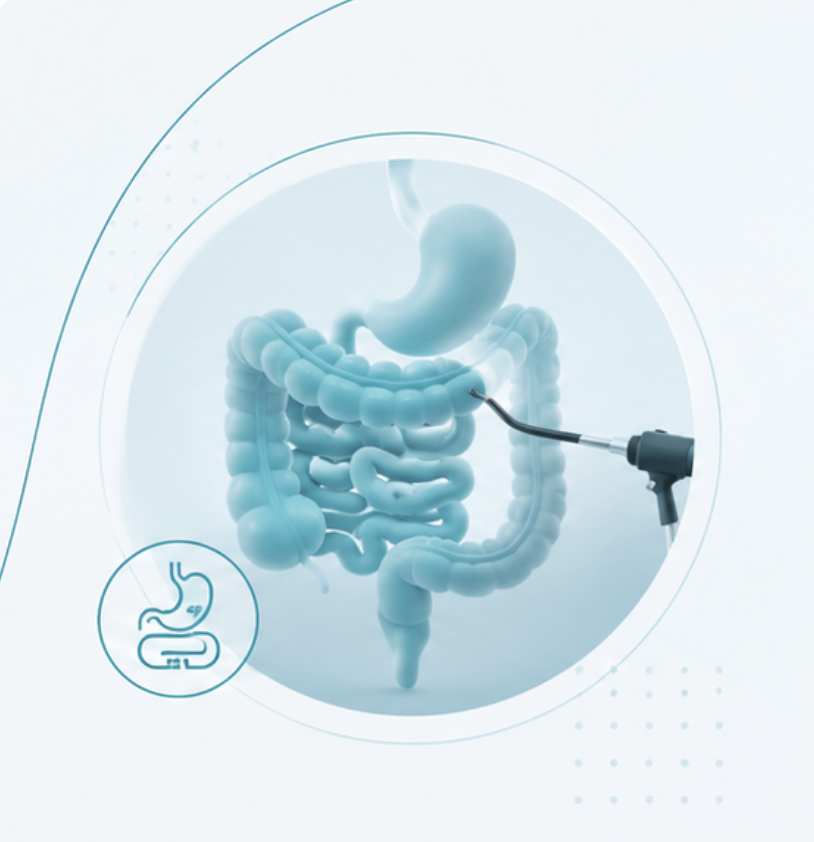
The aim of bariatric (obesity) surgery is to reduce the volume of the stomach so that the patient reaches satiety earlier. Food intake is thereby reduced without particular constraint or frustration. This automatically brings about weight loss, provided it is combined with regular physical activity. Weight loss is 50 to 70% of excess weight.